

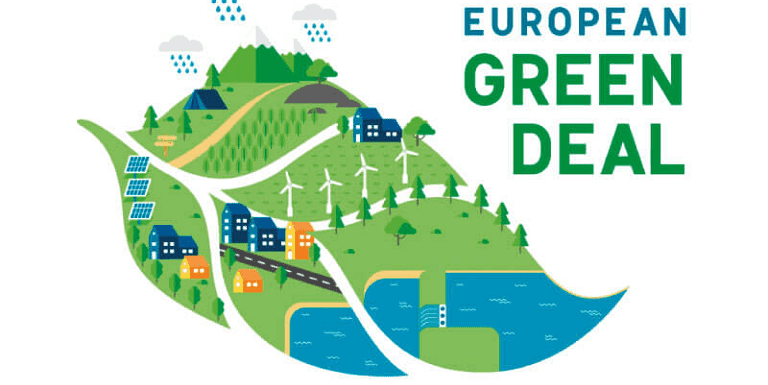
The European Green Deal is one of the most comprehensive steps taken by the European Union (EU) to combat climate change. Based on the EU's goal of becoming carbon neutral by 2050, this deal is not just a climate policy, but also a strategy that anticipates radical changes in economic and social areas. The Green Deal presents a development model that is in harmony with nature, aiming to transition Europe to a sustainable economy. In this article, we will examine the content, objectives, anticipated changes, and opportunities presented by the European Green Deal.
What is the Green Deal?
The European Green Deal is a comprehensive solution plan for climate change. Announced by European Commission President Ursula von der Leyen in 2019, the Green Deal aims to make the EU a "carbon neutral" continent by 2050. This plan not only aims to reduce carbon emissions but also to ensure a sustainable transformation in areas such as energy, industry, agriculture, transportation, and biodiversity.
For detailed information on the topic click here.
Objectives of the Green Deal
- Carbon Neutral Continent Goal: The EU aims to achieve net-zero greenhouse gas emissions by 2050. In this direction, measures such as greening energy sources, using clean energy, and improving energy efficiency are highlighted.
- Economic Transformation: The Green Deal aims to restructure the European economy based on "circular economy" principles, encouraging waste minimization and efficient resource use.
- Protection of Natural Life and Biodiversity: The EU plans to strengthen agriculture, water, forest, and marine ecosystems to protect biodiversity. Nature-based solutions and sustainable agricultural policies will be promoted for this purpose.
- Fair and Social Transformation: The Green Deal also has significant social impacts. In this context, transformation plans targeting the workforce will be developed to ensure that no one is left behind in the transition.
Measures Taken Under the Green Deal Goals
- Sustainable Energy: The energy sector is known as the largest source of carbon emissions. Therefore, the EU is accelerating the transition from fossil fuels to renewable energy. Investments in sustainable energy sources such as solar, wind, hydroelectric, and biomass will increase.
- Circular Economy and Resource Management: Instead of single-use plastics and environmentally harmful packaging, recyclable and biodegradable alternatives will be promoted. In line with these changes, consumption habits and production systems will be reshaped.
- Clean and Safe Transportation: The EU supports environmentally friendly transportation alternatives such as electric vehicles, cycling, and walking to reduce emissions from transportation and is increasing investments in rail transport.
- Environmentally Friendly Agriculture: The agricultural sector plays a significant role in the EU’s sustainability goals. Promotion of organic farming practices, reduction of agricultural fertilizer usage, and efforts to protect biodiversity are underway.
Effects of the Green Deal on Türkiye
The EU has developed new trade policies, such as Border Carbon Regulation, prioritizing sustainability in imports and exports during the Green Deal process. Countries like Turkey, which have intensive trade relations with Europe, are directly affected by these regulations. In particular, the application of a border carbon tax on carbon-intensive products makes green transformation mandatory for Turkey's export sectors. In this direction, efforts to comply with the Green Deal in Turkey are accelerating in areas such as green energy, circular economy, and sustainable agriculture.
Impact of the Green Deal on the Business World
The Green Deal offers great potential for sustainable investments. The transition to low-carbon technologies provides businesses with long-term cost advantages. At the same time, it is expected that companies offering innovative solutions will increase their competitiveness in the European market. However, during this transformation process, businesses need to invest in sustainability and comply with criteria such as carbon reduction.
Conclusion
The European Green Deal initiates a transformation process that will affect not only the European continent but also economies worldwide. This plan not only aims to combat climate change but also presents a development model that considers economic and social justice. With the Green Deal, the EU promotes sustainability and a nature-friendly lifestyle while expecting other countries to keep pace with this process. Countries close to the EU, such as Turkey, should accelerate environmentally friendly transformation processes within the scope of the Green Deal and gain a competitive advantage in sustainability.
For more information about the European Green Deal and the regulations made within this framework, you can visit the Green Deal page on the website of the Ministry of Trade of the Republic of Turkey: https://ticaret.gov.tr/dis-iliskiler/yesil-mutabakat

